People
Life of the Fishermen of Pulau Kemujan
Meet the fishing community of Pulau Kemujan — their traditions, daily life, challenges, and hopes for a sustainable future.
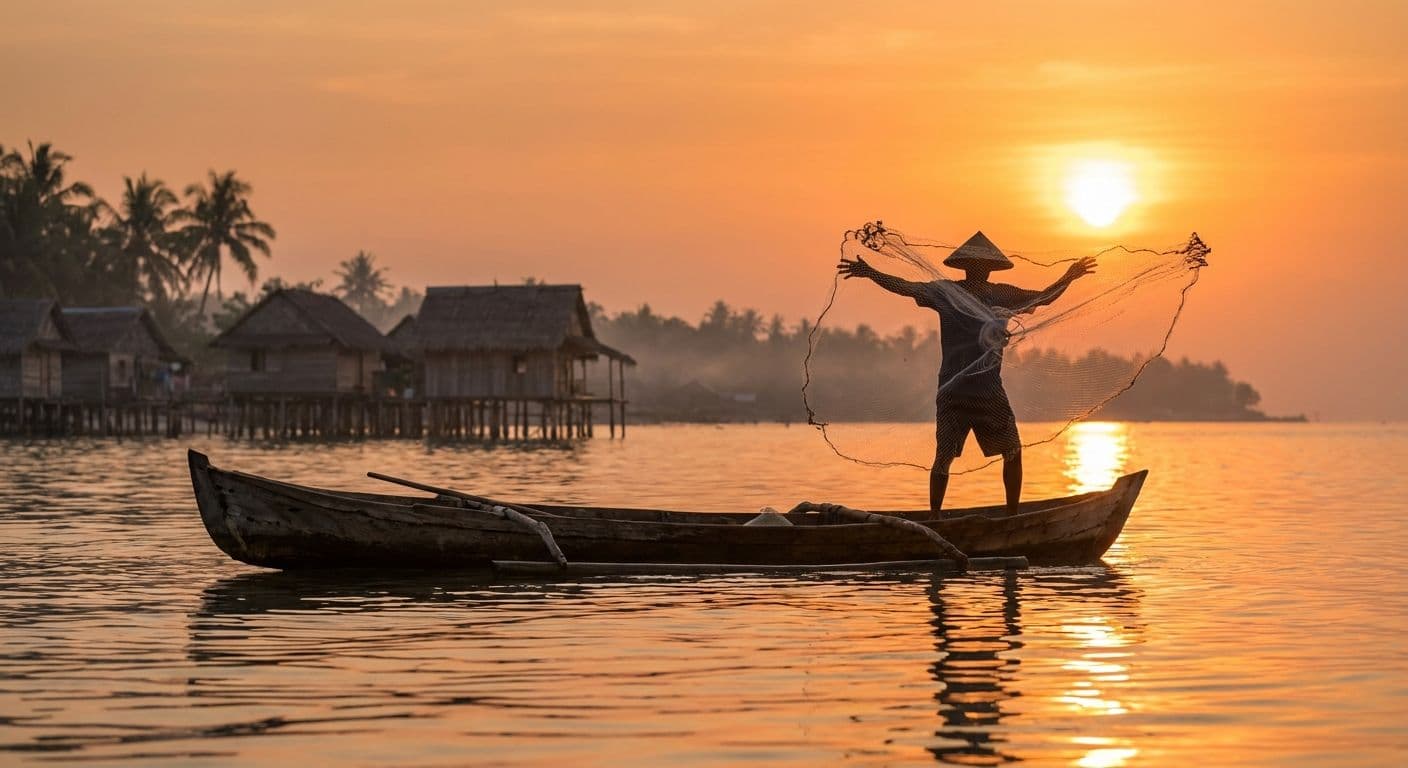
On the eastern side of Karimunjawa lies Pulau Kemujan — a quieter, more traditional island where life moves at the rhythm of the tides. Here, the fishing community has lived for generations, their daily lives intertwined with the sea that surrounds them.
A Day in the Life of a Kemujan Fisherman
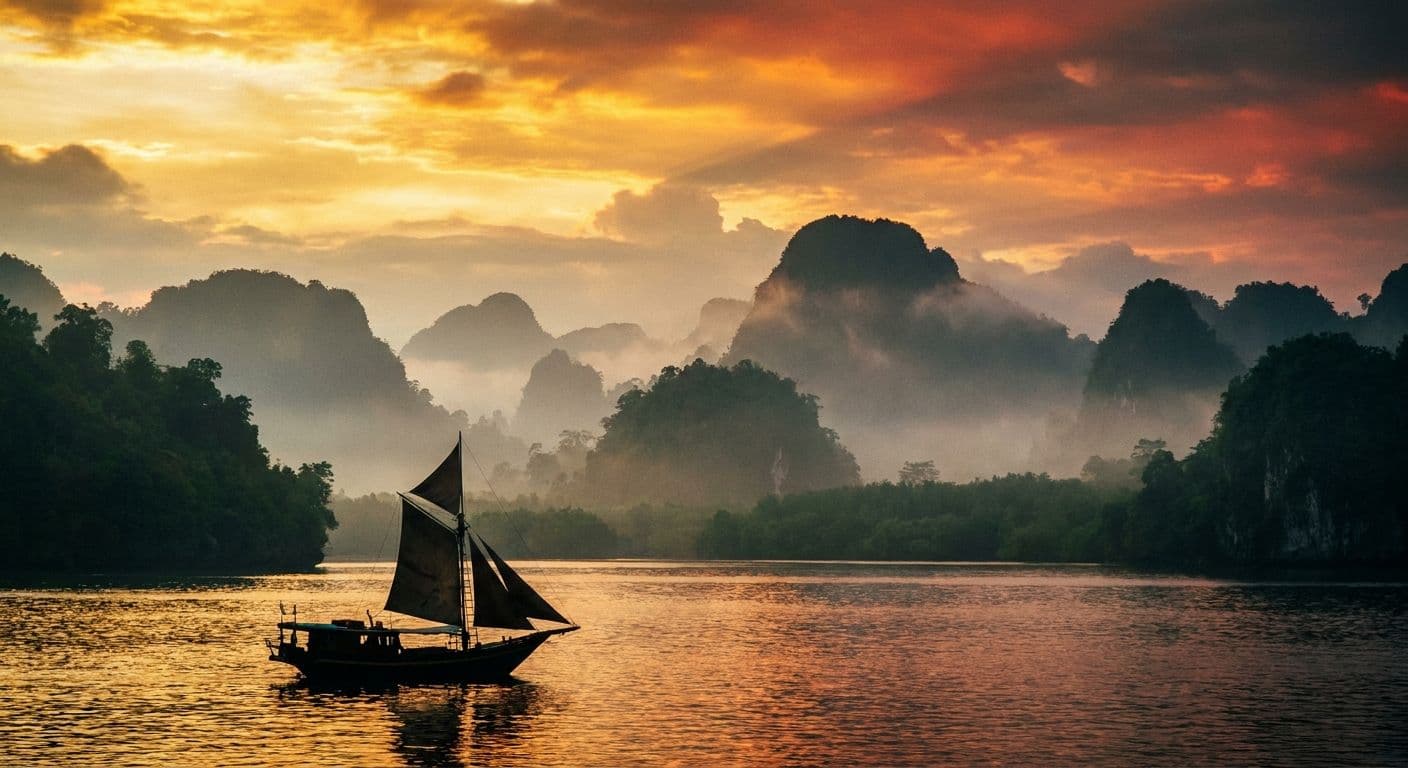
Before dawn breaks over the Java Sea, the fishermen of Kemujan are already awake. The call to prayer echoes from the village mosque as they prepare their boats — traditional wooden perahu that have been passed down through generations. By 5 AM, the first boats are already heading out to sea, their lanterns flickering like stars on the dark water.
Pak Sutrisno, a 52-year-old fisherman who has been sailing these waters since he was 12, shares his story: "My father taught me to fish when I was just a boy. We used to sail with just a compass and the stars. Now we have GPS, but the sea is still the same — generous but demanding respect."
Traditional Fishing Methods
The fishermen of Kemujan still practice traditional fishing methods that have been used for centuries. The most common is pancing (handline fishing), where a single line with a baited hook is lowered into the water. Some fishermen use jaring (nets) for catching larger quantities of fish like tuna, mackerel, and skipjack.
What makes Kemujan's fishing community unique is their use of rumpon — traditional fish aggregating devices made from coconut fronds and bamboo. These floating structures attract fish and have been used by Javanese fishermen for centuries. Modern rumpon now use GPS to track their locations.
The Catch and Daily Life
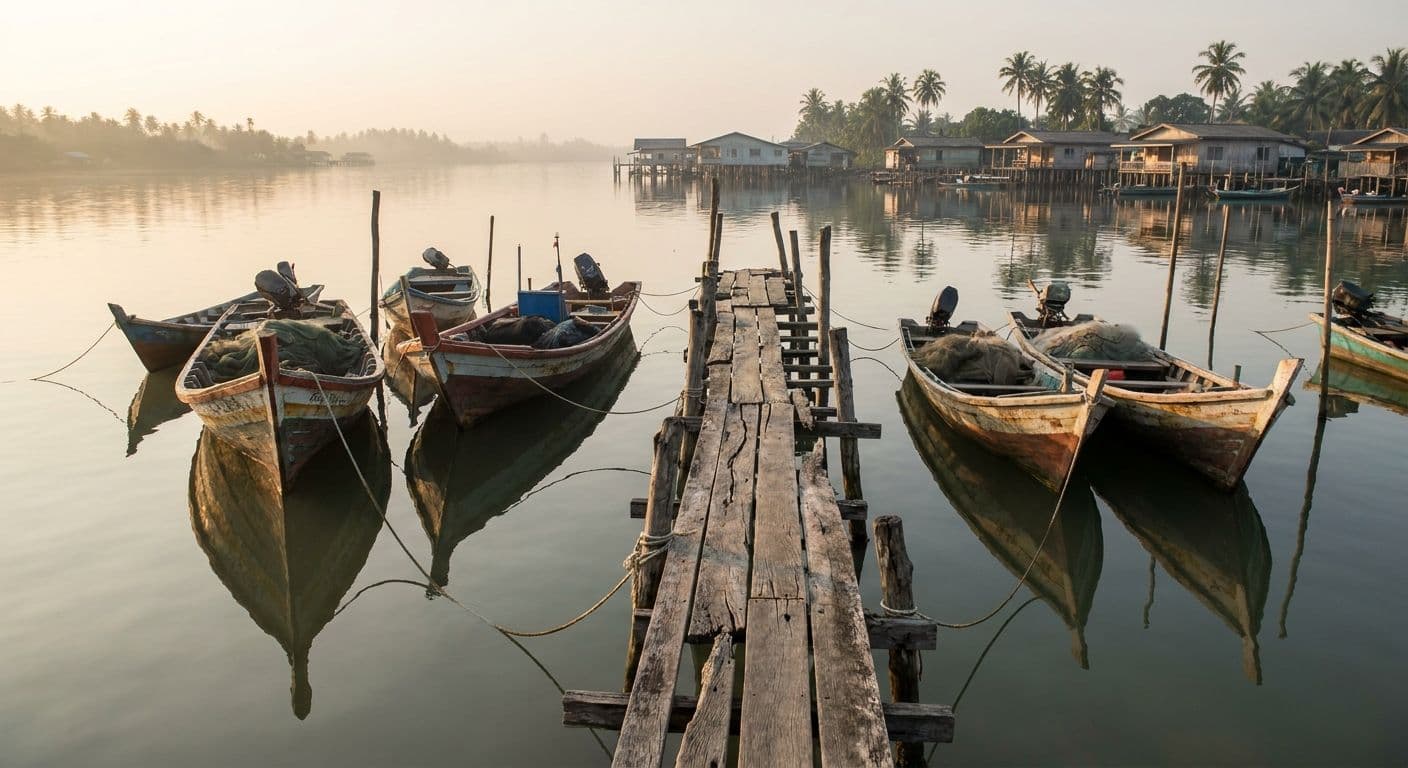
By midday, the boats return to the village jetty. The catch is sorted on the beach — tuna, red snapper, grouper, and various reef fish. Some of the catch is sold directly to local residents, while the rest goes to the village fish market or is processed into ikan asin (salted fish) for distribution to Java.
The women of Kemujan play an equally important role. They process and dry the fish, manage household finances, and many now run small homestays for the growing number of tourists visiting the island. Ibu Sari, whose husband is a fisherman, started a homestay three years ago: "Tourism has given us another source of income. When the fishing is slow, we still have guests to look after."
Challenges and Hope for the Future
Like many traditional fishing communities, the fishermen of Kemujan face challenges. Climate change has made weather patterns less predictable, and overfishing by commercial trawlers has reduced fish stocks. The younger generation is also increasingly drawn to the tourism industry rather than following their fathers into fishing.
Yet there is hope. The Karimunjawa National Park authority works with local fishermen to promote sustainable fishing practices. Some fishermen have become guides for fishing tourism, sharing their knowledge of the sea with visitors. Community-based tourism initiatives are helping preserve both the fishing culture and the marine environment.
Pak Sutrisno sums it up: "The sea is our life. As long as there are fish in the water and boats on the shore, we will keep sailing. But we must also learn to protect what we have, so our children and grandchildren can also know the sea."